Wisdom teeth removal is one of the most common oral surgery procedures, yet it’s also one of the most misunderstood. Many people delay treatment or worry unnecessarily because they’ve heard dramatic stories or outdated information. The truth is that modern oral surgery has advanced significantly, and most concerns about wisdom teeth removal stem from myths rather than reality.
At St. Augustine Oral & Facial Surgical Center, Dr. Douglas L. Johnson and his team provide wisdom teeth removal in a comfortable, AAAHC-accredited surgical center. With board certifications from both the American Board of Oral & Maxillofacial Surgeons and the National Dental Board of Anesthesiology, Dr. Johnson combines advanced training with a patient-centered approach to make wisdom teeth removal as smooth as possible.
Myth 1: Everyone Needs Their Wisdom Teeth Removed
One of the most persistent myths is that wisdom teeth removal is mandatory for everyone. This isn’t accurate. Wisdom teeth only need to be removed when they cause problems or are likely to cause problems in the future. If your wisdom teeth grow properly aligned, have enough space, and can be cleaned effectively, they may not need removal at all.
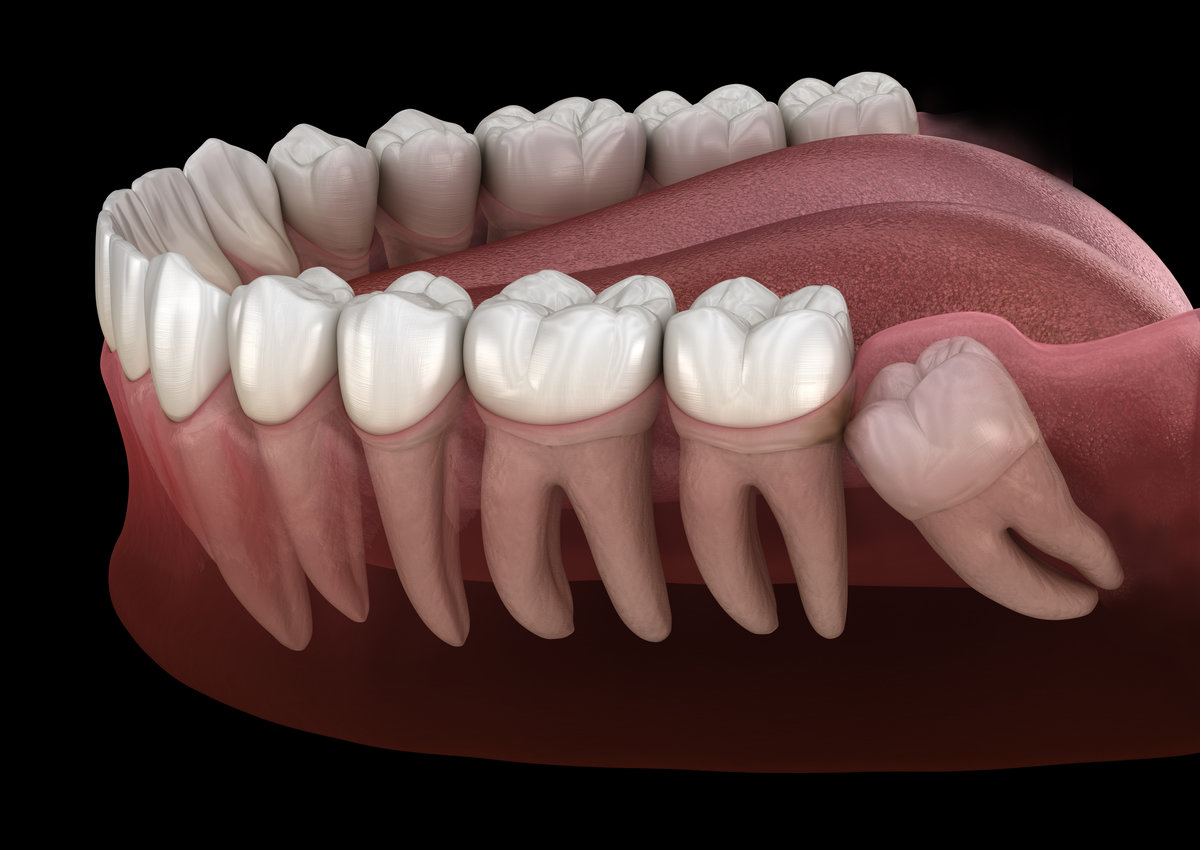
However, most people don’t have enough room in their jaws for wisdom teeth. When this happens, the teeth may become impacted, grow at awkward angles, or only partially break through the gums. These situations create real risks. Impacted wisdom teeth can lead to infections, damage to neighboring teeth, cysts, and gum disease. Your oral surgeon can evaluate your specific situation with 3D imaging to determine whether removal is necessary.
Myth 2: Wisdom Teeth Removal Is Extremely Painful
Many people avoid wisdom teeth removal because they’ve heard horror stories about severe pain. The reality is that most discomfort happens before the procedure, not after. When wisdom teeth are impacted or infected, they can cause significant pain. The surgery itself is performed under anesthesia, so you won’t feel anything during the procedure.
After surgery, you’ll experience some soreness and swelling, but this is typically manageable with prescribed medications and proper aftercare. Most patients report that the recovery is much easier than they expected. Modern surgical techniques and sedation options have made wisdom teeth removal more comfortable than ever before.
Myth 3: You Should Wait Until Wisdom Teeth Cause Problems
Some people believe it’s better to wait until wisdom teeth actually hurt before having them removed. This approach can backfire.
Younger patients typically heal faster and experience fewer complications. The roots of wisdom teeth are not fully formed in the late teens and early twenties, which makes extraction easier. As you age, the roots develop more completely, the bone around the teeth becomes denser, and recovery takes longer. Your oral surgeon can identify potential problems with imaging before symptoms appear, allowing for a more straightforward procedure.
Myth 4: Recovery Takes Weeks
Another common misconception is that wisdom teeth removal requires weeks of downtime. Most patients return to normal activities within three to five days. The first 24 to 48 hours are the most important for healing, but you won’t be completely out of commission.
You’ll need to stick to soft foods for a few days and avoid strenuous activities, but you can resume light activities fairly quickly. Following your surgeon’s aftercare instructions makes a significant difference in how quickly you recover. Many patients are surprised by how manageable the recovery process is when they follow the guidelines for post-extraction care.
Myth 5: Dry Socket Is Inevitable
Dry socket is one of the most feared complications of wisdom teeth removal, but it’s not as common as many people think. Dry socket occurs when the blood clot that forms in the extraction site becomes dislodged, exposing bone and nerves. This causes significant pain and delays healing.
However, dry socket only happens in about 2 to 5 percent of extractions. The risk is higher for smokers and people who don’t follow aftercare instructions, but most patients never experience this complication. Your oral surgeon will provide specific guidelines to minimize your risk, such as avoiding smoking, not using straws, and keeping the extraction sites clean.
Myth 6: All Oral Surgeons Provide the Same Level of Care
Not all oral surgery practices offer the same quality of care. Some patients assume that wisdom teeth removal is so routine that the surgeon’s qualifications don’t matter much. This couldn’t be further from the truth. The surgeon’s training, experience, and facility standards make a real difference in your safety and comfort.
Dr. Johnson completed his residency at the University of Florida and a prestigious fellowship in facial cosmetics and reconstruction. His dual board certifications and AAAHC-accredited facility demonstrate a commitment to the highest standards of care. The team includes certified surgical assistants and a registered nurse practitioner, ensuring comprehensive support throughout your procedure. Choosing an oral surgeon with advanced credentials and a well-equipped facility provides peace of mind and better outcomes.
Myth 7: General Dentists Can Remove All Wisdom Teeth
While some general dentists perform simple wisdom teeth extractions, complex cases require an oral and maxillofacial surgeon. Oral surgeons complete four to six years of additional training beyond dental school, focusing specifically on surgical procedures, anesthesia, and managing complications.
If your wisdom teeth are impacted, positioned near nerves, or require bone removal, an oral surgeon has the training and experience to handle these challenges safely. General dentists often refer complex wisdom teeth cases to oral surgeons because the specialized training makes a significant difference in outcomes.
Schedule Your Consultation at St. Augustine Oral & Facial Surgical Center
Understanding the facts about wisdom teeth removal helps you make informed decisions about your oral health. If you’ve been putting off an evaluation because of myths or misconceptions, now is the time to get accurate information from a qualified oral surgeon. Dr. Johnson and his team at St. Augustine Oral & Facial Surgical Center provide thorough consultations using advanced 3D imaging to assess your specific situation.
Whether you need wisdom teeth removal now or want to plan ahead, professional guidance ensures you receive the right care at the right time. Contact our office today to schedule your consultation and learn more about your options. Don’t let outdated myths keep you from addressing wisdom teeth concerns with confidence and clarity.
