If you need dental implants in your upper jaw but don’t have enough bone height, a sinus lift can create the foundation you need for successful implant placement. While this procedure has a high success rate, it’s natural to have concerns about potential risks and complications.
At St. Augustine Oral & Facial Surgical Center, Dr. Douglas L. Johnson uses advanced techniques and meticulous care to minimize risks during sinus lift procedures. Understanding what can go wrong and how to prevent complications will help you feel confident about moving forward with treatment.
Sinus Lifts Explained
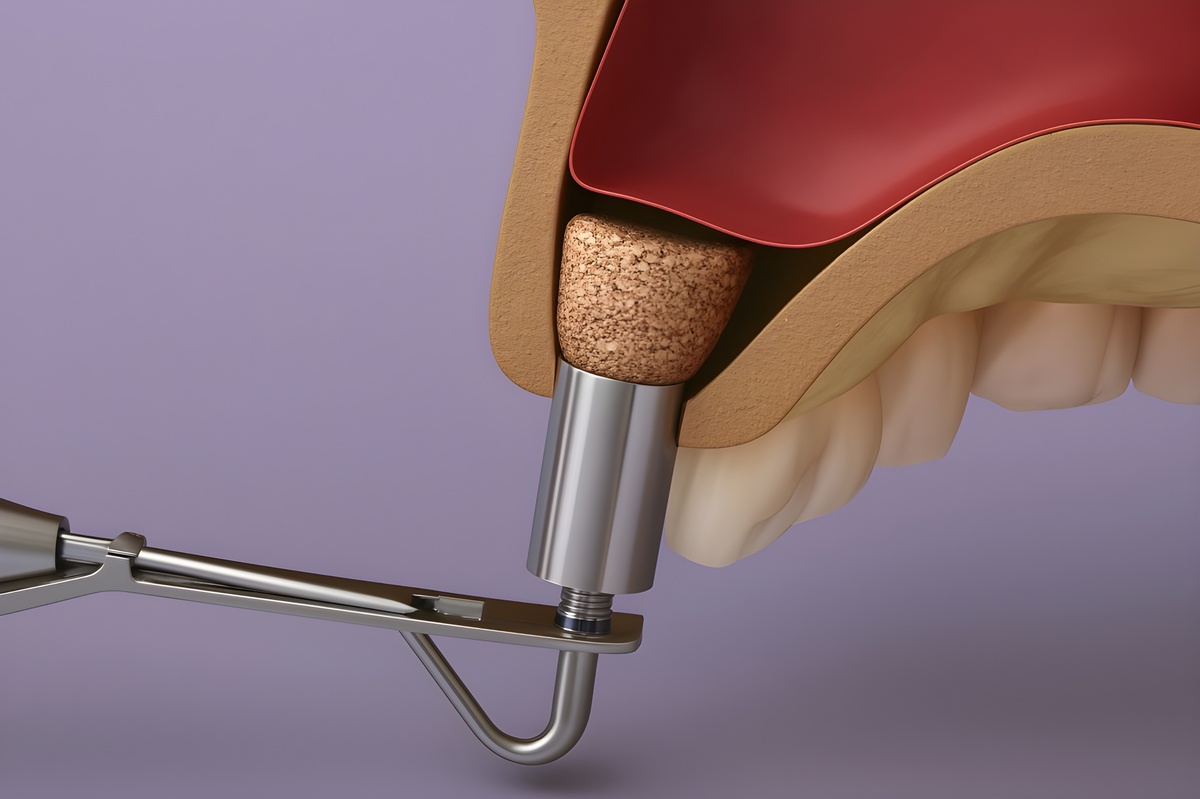
A sinus lift, also called sinus augmentation, is a bone grafting procedure that adds bone to your upper jaw in the area of your molars and premolars. The procedure involves lifting the sinus membrane and placing bone graft material beneath it to increase bone height. This creates a stable foundation for dental implants when your natural bone has deteriorated due to tooth loss, gum disease, or the natural shape of your sinus cavity.
Common Risks Associated With Sinus Lift Surgery
Like any surgical procedure, sinus lifts carry some risks. The most common complications include infection at the surgical site, sinus membrane perforation during the procedure, graft failure where the bone material doesn’t integrate properly, sinusitis or sinus infection, and excessive bleeding. While these risks exist, they’re relatively rare when the procedure is performed by an experienced oral surgeon using proper techniques. Dr. Johnson’s extensive training and careful approach significantly reduce the likelihood of complications.
How Proper Planning Prevents Complications
Thorough pre-surgical planning is your first line of defense against complications. During your consultation, Dr. Johnson uses advanced 3D imaging to create a detailed map of your sinus anatomy. This technology allows him to see the exact thickness of your existing bone, the shape and position of your sinus cavity, and any anatomical variations that might affect the procedure. With this information, he can plan the safest approach and anticipate potential challenges before surgery begins.
The Role of Surgical Technique in Minimizing Risk
Dr. Johnson’s surgical expertise plays a crucial role in preventing complications. He performs the procedure under IV sedation for your comfort, which also allows for precise, controlled movements throughout the surgery. When accessing the sinus membrane, he uses gentle techniques to avoid perforation. If a small tear does occur, he can often repair it immediately during the procedure. The careful placement of high-quality bone graft material ensures proper integration with your existing bone. Every step is performed with attention to detail to promote optimal healing and long-term success.
Choosing the Right Bone Graft Material
The type of bone graft material used can affect your risk of complications and overall success. Options include your own bone taken from another area of your body, donor bone from a tissue bank, synthetic bone substitutes, or bovine-derived bone material. Dr. Johnson will recommend the best option based on your individual needs and health status. Each material has specific advantages, and using the appropriate one for your situation reduces the risk of graft failure or rejection.
Pre-Surgical Preparations That Reduce Risk
You can take steps before surgery to minimize your risk of complications. Be honest about your complete medical history, including any conditions that affect healing or immune function. If you smoke, quit at least two weeks before surgery, as smoking significantly increases the risk of complications and graft failure. Avoid blood-thinning medications and supplements as directed by Dr. Johnson. Follow any dietary or medication instructions provided before your procedure. Taking these precautions seriously sets the stage for successful healing.
Post-Surgical Care to Prevent Complications
Following your post-surgical instructions carefully is essential for preventing complications. Here are the key steps to take after your sinus lift:
- Avoid pressure on the surgical site: Don’t blow your nose, sneeze with your mouth closed, or use straws for at least two weeks, as these actions can dislodge the graft material or damage the healing sinus membrane.
- Take prescribed medications: Complete the full course of antibiotics to prevent infection, and use pain medication and decongestants as directed.
- Maintain gentle oral hygiene: Keep your mouth clean without disturbing the surgical site, and rinse gently with salt water as instructed.
- Follow dietary restrictions: Stick to soft foods and avoid hot liquids for the first few days.
- Watch for warning signs: Contact Dr. Johnson immediately if you experience severe pain, heavy bleeding, fever, or excessive nasal discharge.
These precautions protect the graft material while it integrates with your bone and reduce your risk of infection or other complications.
Recognizing Warning Signs Early
Knowing what’s normal and what requires immediate attention can prevent minor issues from becoming serious complications. Some discomfort, swelling, and light bleeding are expected after surgery. However, you should contact the office right away if you experience increasing pain after the first few days, fever above 101 degrees, continuous bleeding that doesn’t respond to pressure, visible bone graft particles coming from your nose, or signs of infection like pus or a foul odor. Early intervention can often resolve problems before they impact your final results.
The Importance of Follow-Up Appointments
Your healing process requires monitoring by Dr. Johnson to ensure everything is progressing properly. Attend all scheduled follow-up appointments so he can check the surgical site, assess how well the graft is integrating, address any concerns you have, and determine when you’re ready for dental implant placement. These appointments are your opportunity to catch potential problems early and make adjustments to your care plan if needed.
Experience Safer Sinus Lift Surgery at St. Augustine Oral & Facial Surgical Center
Minimizing risks during a sinus lift procedure requires a combination of surgical skill, advanced technology, and your commitment to following care instructions. At St. Augustine Oral & Facial Surgical Center, Dr. Douglas L. Johnson brings exceptional qualifications to every procedure. As a Board Certified Diplomate of the American Board of Oral & Maxillofacial Surgeons and a Fellow of the American Association of Oral & Maxillofacial Surgeons, he has the expertise to handle even complex cases with confidence. Our AAAHC-accredited facility maintains the highest standards of safety and sterility.
Dr. Johnson completed a prestigious fellowship in facial cosmetics and reconstruction, giving him advanced understanding of facial anatomy that enhances surgical precision. Our team of certified surgical assistants and a registered nurse practitioner ensures you receive attentive care throughout your procedure and recovery. We work with Delta Dental, Humana, Cigna Dental, and file claims as a courtesy for all PPO dental plans. If you’re ready to move forward with your sinus lift and dental implants, contact us today to schedule your consultation and learn how Dr. Johnson’s experience can give you peace of mind.
