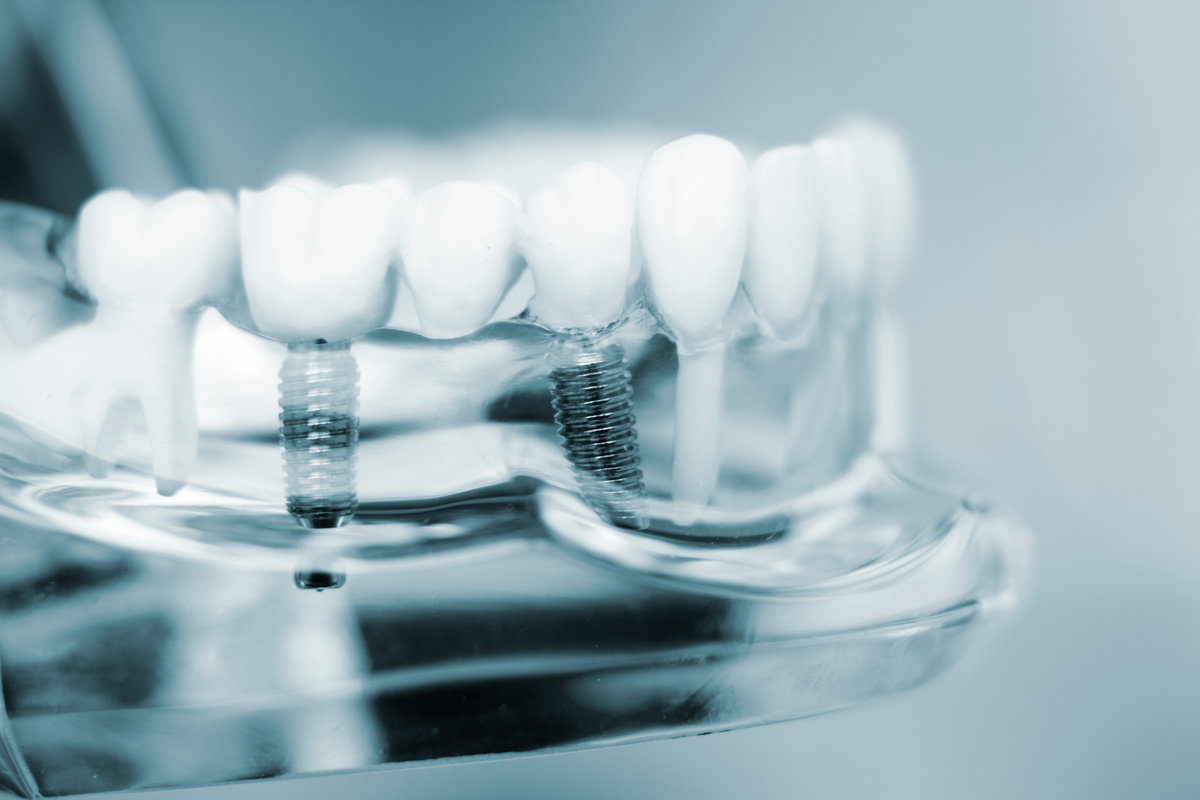
Dental implants offer long-term value through their durability, functionality, and ability to preserve jawbone health. Unlike dentures or bridges that require replacement every 5 to 15 years, implants can last decades or even a lifetime with proper care. They function like natural teeth, prevent bone loss, and eliminate the ongoing costs and inconveniences associated with other tooth replacement options.
At St. Augustine Oral & Facial Surgical Center, Dr. Douglas L. Johnson helps patients understand the true value of dental implants beyond the initial investment. With board certification from the American Board of Oral & Maxillofacial Surgeons and the National Dental Board of Anesthesiology, Dr. Johnson provides implant treatment in an AAAHC-accredited facility. His training from the University of Florida and fellowship in facial cosmetics and reconstruction ensure patients receive care backed by extensive surgical experience.
Understanding the Cost Comparison
The upfront cost of dental implants exceeds that of dentures or bridges, leading some patients to choose less expensive options. However, this initial price difference doesn’t reflect the long-term financial reality. Dentures typically need replacement every 5 to 7 years, while bridges last 10 to 15 years before requiring replacement. Each replacement involves additional costs, from the new restoration to the dental appointments required for fitting and adjustments.
Implants eliminate these recurring expenses. Once placed and healed, a properly maintained implant can function for 25 years or longer. Many patients never need implant replacement, making the long-term cost comparable to or lower than alternatives. When you factor in the need for denture adhesives, cleaning products, and multiple replacements over your lifetime, implants often prove more economical.
Preventing Bone Loss and Facial Changes
Your jawbone needs stimulation from tooth roots to maintain its density and volume. When you lose a tooth, the bone in that area begins to deteriorate. Within the first three months of tooth loss, you can lose up to 25% of bone in the affected area. This process continues over time, leading to changes in facial structure that make you appear older.
Dental implants are the only tooth replacement option that preserves bone. The titanium post integrates with your jawbone through a process called osseointegration, providing the stimulation needed to maintain bone density. This preservation prevents the sunken facial appearance that often develops in patients who wear dentures for many years. Bone grafting can rebuild lost bone, but preventing loss in the first place offers better long-term results.
Eating Without Restrictions
Dentures limit what you can eat comfortably. Many patients avoid corn on the cob, apples, steak, and other foods that require significant biting force. This restriction affects nutrition and quality of life, forcing you to modify meals and avoid social situations where eating certain foods might cause embarrassment.
Implants restore full chewing power, allowing you to eat anything you want without worry. The implant fuses with your jawbone, creating stability that matches natural teeth. You can bite into an apple, enjoy a steak dinner, or eat nuts without concern about your restoration shifting or breaking. This freedom improves nutrition by allowing you to consume a varied diet rich in fruits, vegetables, and proteins.
Maintaining Adjacent Teeth
Traditional bridges require grinding down healthy teeth on either side of the gap to create support structures. This irreversible process removes enamel and weakens these teeth, making them more vulnerable to decay and damage. Once teeth are modified for a bridge, they can never be restored to their original condition.
Implants stand independently without affecting neighboring teeth. The implant placement process focuses solely on the missing tooth location, preserving the health and structure of surrounding teeth. This conservative approach maintains your overall oral health and prevents the cascade of dental problems that can develop when healthy teeth are compromised to support restorations.
Speaking and Smiling With Confidence
Missing teeth and poorly fitting dentures affect speech patterns. Certain sounds become difficult to pronounce clearly, and dentures can slip during conversation, causing clicking sounds or unclear speech. These issues undermine confidence in social and professional settings, leading many people to avoid speaking up in meetings or social gatherings.
Implants function like natural teeth, allowing clear pronunciation and eliminating the worry about restorations shifting during conversation. The stability of implants means you can speak, laugh, and smile without self-consciousness. This psychological benefit often proves as valuable as the physical improvements, helping patients engage more fully in their personal and professional lives.
Simplifying Daily Maintenance
Dentures require removal for cleaning, soaking overnight, and application of adhesives. This daily routine takes time and can be inconvenient, particularly when traveling or staying away from home. Special cleaning products and storage containers become necessary parts of your daily life.
The care routine for implants mirrors that of natural teeth. You brush twice daily, floss regularly, and visit your dentist for routine checkups. No special products, removal, or complicated cleaning procedures are needed. This simplicity makes long-term maintenance easier and more likely to be followed consistently.
Long-Term Success Rates
Multiple factors contribute to the lasting value of dental implants:
- Durability: The titanium posts used in implants resist decay and damage, providing a foundation that can last indefinitely when properly maintained and integrated with healthy bone.
- Biocompatibility: Titanium naturally integrates with bone tissue without causing rejection or adverse reactions, creating a stable base for the restoration that becomes part of your body.
- Proven track record: Decades of clinical research demonstrate that implants perform reliably over time, with success rates exceeding 95% when placed by trained oral surgeons.
- Adaptability: If the crown portion of an implant becomes damaged, it can be replaced without removing the implant post, extending the life of your investment.
These factors combine to make implants the most reliable long-term solution for missing teeth, justifying the initial investment through years of dependable function.
Impact on Overall Health
Missing teeth affect more than just your smile. Difficulty chewing leads many people to avoid nutritious foods that are hard or crunchy, resulting in poor dietary choices. The bacteria that accumulate around ill-fitting dentures or in gaps left by missing teeth can contribute to gum disease, which has been linked to heart disease, diabetes complications, and other systemic health issues.
Implants support better overall health by allowing you to maintain a nutritious diet and practice effective oral hygiene. The ability to clean around implants as you would natural teeth reduces bacterial buildup and inflammation. This preventive approach to oral health contributes to your overall wellbeing and may reduce healthcare costs in other areas.
Schedule Your Consultation at St. Augustine Oral & Facial Surgical Center
Dental implants represent a significant investment in your oral health, function, and quality of life. At St. Augustine Oral & Facial Surgical Center, Dr. Johnson and his team of certified surgical assistants provide comprehensive implant treatment using advanced technology in an AAAHC-accredited facility. The practice works with major insurance providers including Delta Dental, Humana, and Cigna Dental, and files claims as a courtesy for all PPO dental plans to help make treatment more affordable.
The consultation process includes detailed imaging, examination, and a personalized treatment plan that addresses your specific needs. From single tooth replacement to full-arch restorations, the practice offers solutions that restore function and confidence. Contact the office to schedule your consultation.
