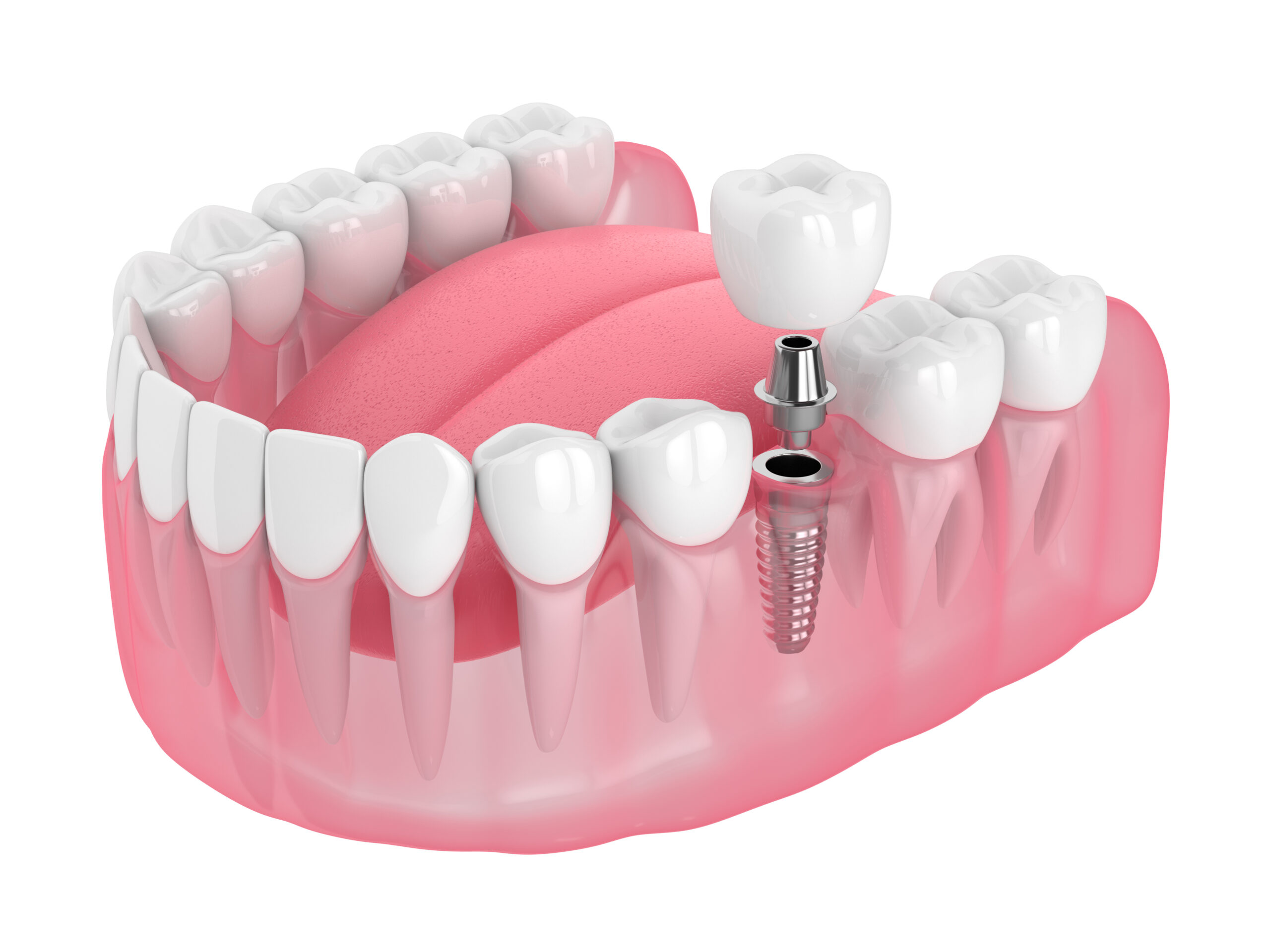
If you’re facing tooth loss, you might be weighing your options between dentures and dental implants. While dentures have served patients for generations, dental implants offer a permanent solution that can better match your lifestyle and long-term goals.
The choice between these two tooth replacement options affects more than just your smile. It impacts your daily comfort, long-term oral health, and quality of life. Here are five signs that dental implants may be the right choice for you.
You Want a Solution That Lasts Decades
Dentures typically need replacement every five to eight years due to normal wear and changes in your jaw structure. Dental implants, on the other hand, can last 20 years or longer with proper care. The titanium posts fuse with your jawbone through a process called osseointegration, creating a stable foundation that functions like natural tooth roots. This longevity makes implants a practical investment, particularly if you’re looking for a solution that won’t require frequent adjustments or replacements as you age.
When you consider the cumulative costs of replacing dentures multiple times over the years, plus the expenses of adhesives and regular refitting appointments, the cost of dental implants often becomes more economical in the long run.
You’re Concerned About Bone Loss
One of the most significant differences between dentures and implants relates to jawbone health. When you lose teeth, the bone that once supported them begins to deteriorate. This process happens because the bone no longer receives the stimulation it needs from tooth roots during chewing. According to the American Academy of Implant Dentistry, within the first three months of tooth loss, you can lose up to 25% of the bone in that area.
Dentures sit on top of your gums and do nothing to prevent this bone loss. Over time, this can lead to a sunken facial appearance and make your dentures fit poorly, requiring frequent adjustments. Dental implants, however, stimulate the jawbone just like natural teeth do. If you’ve already experienced some bone loss, bone grafting can rebuild the necessary structure to support implants, preserving your facial structure for years to come.
Your Lifestyle Demands Stability
If you enjoy an active lifestyle, dentures can present challenges. They can slip during conversation, slide while eating certain foods, or become uncomfortable during physical activities. Many denture wearers avoid certain social situations or dietary choices because they worry about their dentures shifting or clicking.
Dental implants eliminate these concerns entirely. They’re permanently anchored in your jaw, so you can eat whatever you want without worry, speak confidently in any setting, and participate in activities without thinking twice about your teeth. For patients who travel frequently, enjoy dining out, or simply want the freedom to live without restrictions, implants offer a level of security that dentures cannot match.
Douglas L. Johnson, D.M.D., a Board Certified oral and maxillofacial surgeon, performs implant placement under IV sedation for patient comfort at our AAAHC-accredited facility in St. Augustine.
You Want to Protect Your Remaining Teeth
If you’re considering a partial denture to replace some missing teeth, it’s important to know that traditional partial dentures hook onto your existing teeth for support. Over time, this can place stress on those teeth and increase the risk of damage or decay to otherwise healthy teeth. Full arch replacement with dental implants doesn’t rely on your remaining teeth for support. Each implant stands independently, preserving your natural teeth and distributing bite forces evenly across your jaw.
If you need to replace just one tooth, a single tooth replacement with an implant protects the adjacent teeth from the grinding down required for a traditional bridge.
You Value Long-Term Quality of Life
The decision between dentures and implants often comes down to how you envision your daily life. Many patients find the daily routine of denture care inconvenient. With dentures, you’ll need to:
- Remove them each night for cleaning and soaking.
- Apply adhesives daily to keep them secure.
- Schedule regular adjustments as your jaw changes shape.
- Replace them every five to eight years as they wear out.
With dental implants, you care for them exactly as you would natural teeth. You brush twice daily, floss regularly, and visit your dentist for routine checkups. There’s no special maintenance, no adhesives, and no need to remove them. For patients planning their retirement years, considering travel plans, or simply wanting to maintain their current lifestyle without accommodation, implants offer freedom that dentures cannot provide.
Making the Right Choice for Your Situation
While dental implants offer many advantages, the right choice depends on your individual health, bone density, and personal goals. Some patients may need preparatory procedures like sinus lifts before implant placement. Others may have medical conditions that require special consideration. If you’ve been told you’re not a candidate for implants in the past, it’s worth getting a second opinion. Advances in implant technology and bone grafting techniques have made it possible for many more patients to receive implants successfully today than even a few years ago.
Options like implant-supported overdentures can also provide a middle-ground solution, offering more stability than traditional dentures while requiring fewer implants than full arch replacement. The team at St. Augustine Oral & Facial Surgical Center can evaluate your specific situation and discuss which option aligns best with your health, budget, and lifestyle needs. Contact us to schedule a consultation and learn more about your tooth replacement options.
